
Snowbird Home Watch in Southern Utah: What You Need to Know Before You Head North
Every spring, tens of thousands of second-home owners leave St. George, Washington, Ivins, and the surrounding communities and head back to their primary residences. And every summer, a meaningful number of those homes sit empty for three, four, sometimes six months at a stretch.
That's a long time for a house to be on its own.
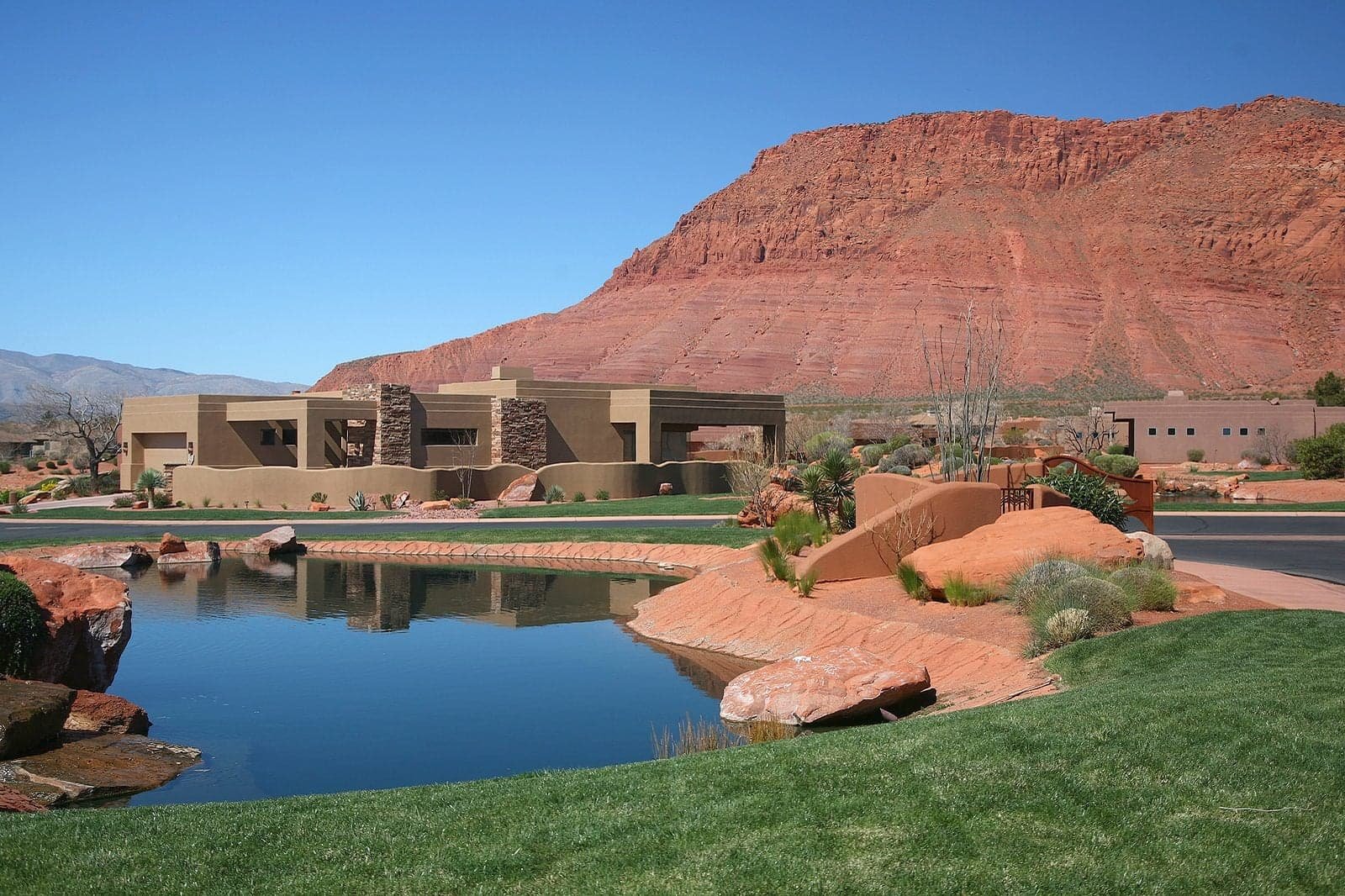
Washington County is Utah's largest recipient of retirement-age migration, and researchers note that the snowbird effect is real — many older adults only live here part of the year, which means their full numbers don't show up in standard population counts. The draw is obvious: mild winters, golf, red rock, proximity to Zion, Snow Canyon, and the Grand Canyon. But what happens to those properties once their owners pack up and drive north is a different story.
Why Southern Utah is harder on vacant homes than it looks
St. George has a reputation for gentle winters and sunshine, which leads some property owners to assume their homes are low-risk during the off-season. The climate data tells a different story.
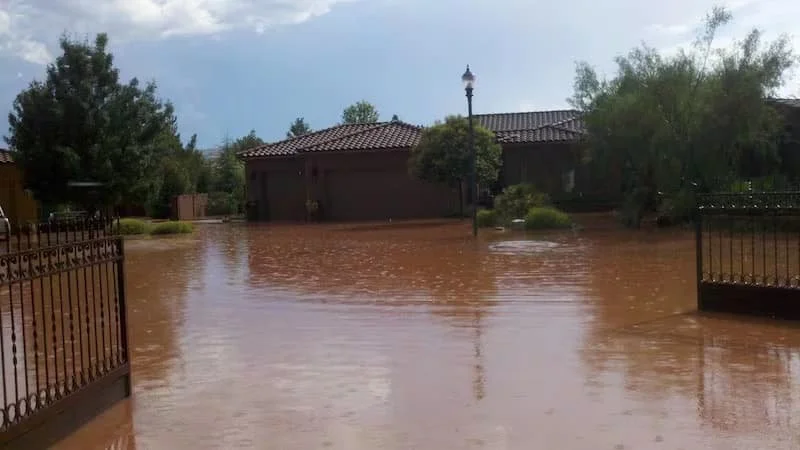
St. George receives only about 8 to 10 inches of rain per year, but when it does rain, the storms arrive as sudden, heavy downpours — especially during monsoon season, which runs July through September. Washington County's monsoon storms can track from northeast to southwest across the county, with the heaviest thunderstorms typically hitting in the late afternoon or evening hours. Flash flooding is a documented risk in the area, and a vacant home with blocked drainage, an aging roof, or a clogged window well can accumulate serious damage before anyone notices.
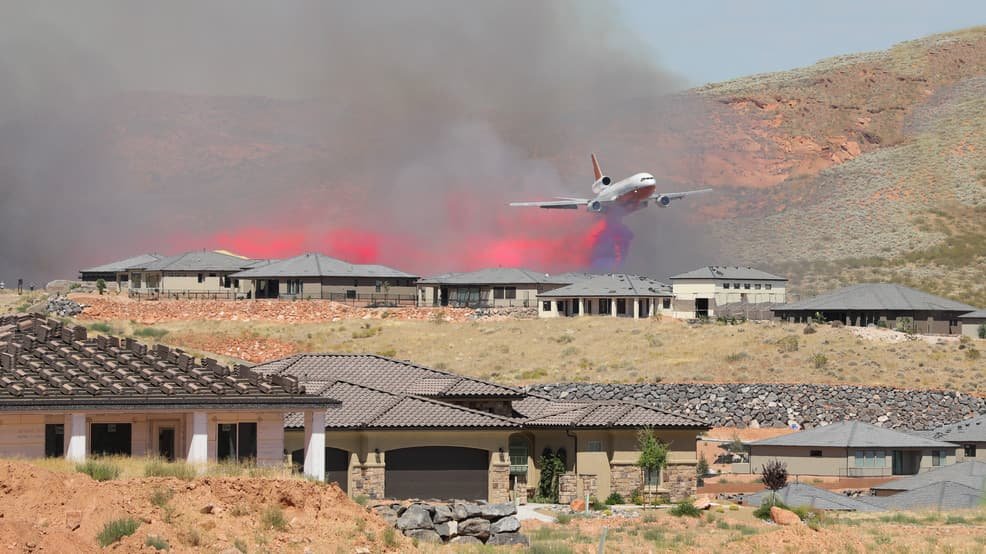

Then there's the heat. High temperatures in St. George reached 100 degrees every day from June 21, 2024, for a stretch of 46 consecutive days — the city's second-longest streak on record. An HVAC system that fails in that environment is not a minor inconvenience. A home sitting at 110 degrees for two weeks is a mold problem, a warped cabinetry problem, and a personal property problem all at once.
What home watch actually is — and what it isn't
Home watch is a term that gets used loosely, which creates real problems for property owners trying to protect expensive assets. The National Home Watch Association defines home watch as "a visual inspection of a home or property, looking for obvious issues." The emphasis on obvious is intentional: a trained professional walking through a home sees things a neighbor or housecleaner won't — early signs of water intrusion behind appliances, HVAC filter conditions, pest activity at entry points, unusual odors, or condensation patterns that suggest a failing seal.
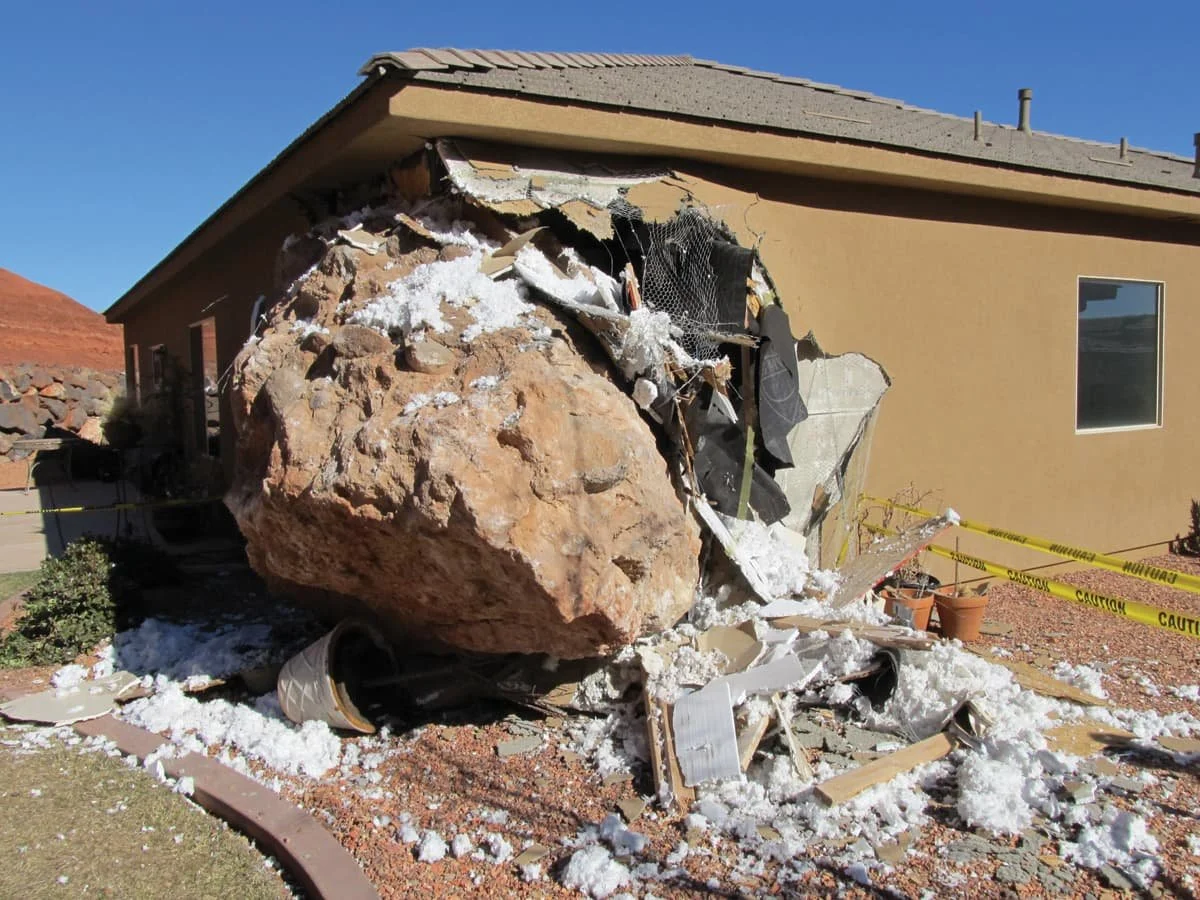
Insurance companies often classify homes left vacant for 30 days or more as higher-risk properties. Common risks include water damage from leaks, mold and humidity issues, pest infestations, break-ins or vandalism, and HVAC or mechanical failures.
A neighbor checking in periodically is kind, but it's not the same thing as a professional home watch service. A water leak can cause thousands of dollars in damage in just a few hours, and neighbors are not trained to recognize early warning signs — small issues like slow leaks, minor roof damage, or HVAC problems often go unnoticed until they become major repairs.
Professional home watch also creates documentation. Every visit by a credentialed provider generates a timestamped, photo-verified report — the kind of record an insurance company wants to see when a claim is filed. If a claim occurs and the homeowner cannot provide professional documentation, coverage may be delayed, reduced, or denied. According to a 2025 Insurance Information Institute report, water damage and freezing accounted for 22.6% of all home insurance claims, with an average claim of $15,400.
The NHWA accreditation difference
Home watch is an unregulated industry. Anyone can print business cards and call themselves a property monitor. When the National Home Watch Association was founded, there was no regulation or licensing, no bonding required, and no shared expectations — many operated in good faith, but even one bad experience could tarnish trust in the entire industry.
NHWA accreditation changes that calculus. The accreditation process includes criminal background checks on all company principals, consumer affairs and Better Business Bureau verification, proof of proper insurance and bonding, and adherence to the NHWA Code of Ethics. Annual re-accreditation means the standards don't expire.
For Southern Utah second-home owners, this distinction matters because it affects both liability and trust. You're giving someone access to your home, your security system, and your personal property for months at a time. The credential trail matters.

KeyBird Home Watch & Concierge is the only NHWA-accredited home watch provider in Southern Utah.
That's not a marketing claim — it's a verifiable fact on the NHWA's public directory.
What a home watch visit covers
A standard KeyBird inspection covers both the interior and exterior of the property: HVAC operation, water heater status, visible plumbing, appliances, windows and doors, garage, irrigation system, pest indicators, and signs of unauthorized entry or storm damage. Every visit is GPS-verified and timestamped, and clients receive a digital report after each check.
The frequency depends on the property and the homeowner. During peak summer months, when heat and monsoon risk are highest, weekly visits give the fastest response window if something goes wrong. Biweekly and monthly schedules work well for lower-risk properties or clients with smart home monitoring already in place.
Beyond inspection, KeyBird can also coordinate with contractors, manage vendor access, and handle pre-arrival preparation so the home is ready when owners return. For Entrada, Desert Color, The Ledges, SunRiver, Bloomington, and other Southern Utah communities with concentrations of seasonal ownership, these services run year-round.
Before you leave St. George for the summer
Most of the damage that happens to vacant Southern Utah homes is preventable — not because something catastrophic occurred, but because a small, fixable issue sat unnoticed for eight weeks. A few hours of preparation before you leave buys a lot of protection.
HVACThis is the highest-stakes item on the list. Don't leave without having the system serviced. In a home sitting at 110°F through July and August, an AC unit running on a clogged filter or a failing capacitor won't make it the season. Set your thermostat no higher than 85°F to keep humidity from building inside walls and cabinetry. If you have a smart thermostat, configure alerts so you — or your home watch provider — get a notification if the indoor temperature climbs beyond your set range.
PlumbingTurn off the water supply to washing machines, dishwashers, and toilets. Most snowbird homes in Southern Utah don't need a full main shutoff (unlike northern properties winterizing against frozen pipes), but individual valve shutoffs at each appliance significantly reduce the risk of a slow leak running undetected for a month. While you're at it: check under sinks, behind the water heater, and at the base of toilets for any moisture you may have overlooked.
IrrigationSouthern Utah's heat doesn't pause because you did. Have your drip and sprinkler systems inspected before you leave. A broken emitter or a failed timer won't kill your landscaping overnight — it'll kill it over three weeks and leave your desert plants and hardscape looking abandoned. If you're in a community with HOA appearance standards — Entrada, The Ledges, and SunRiver all have them — dead or overgrown landscaping can mean violation notices that stack up while you're gone.
Pest Entry Points Warm weather combined with an unoccupied home attracts insects and rodents; scheduling a professional pest control treatment before departure is worth doing. In Southern Utah specifically, scorpions, black widows, and mice are documented seasonal pests in desert communities. Seal gaps around plumbing penetrations, check door sweeps and weatherstripping, and clear any debris from the home's perimeter.
Security and Presence Forward your mail or arrange for pickup. A mailbox that fills and overflows is one of the clearest signals that a home is empty. If you have smart home cameras, verify they're connected and recording before you leave.
Document your Departure Condition Walk through every room and take dated photos before you lock up. Note the state of appliances, any existing cracks or stains, and the condition of the exterior. If a claim is ever filed, this record is the baseline your insurance company will want to see.
That last point connects directly to why home watch documentation matters. A KeyBird inspection report after each visit gives you a timestamped, photo-verified record of your home's condition across the entire off-season — not just a snapshot taken the day you left.
The question most snowbirds ask too late

The question isn't whether something will go wrong with a vacant home over a six-month summer. Something almost always does. The question is whether it gets caught in week two or week ten — and whether there's a paper trail when it does.
The math on professional home watch, compared to a $15,400 average water damage claim, tends to be straightforward.
If you own a second home in St. George, Washington, Ivins, or elsewhere in Washington County and you're heading north for the season, we'd like to talk before you leave. KeyBird offers a complimentary on-site consultation and walk-through, so you can see exactly what a professional inspection covers and decide whether it's the right fit.